
by CSE – 3 min read
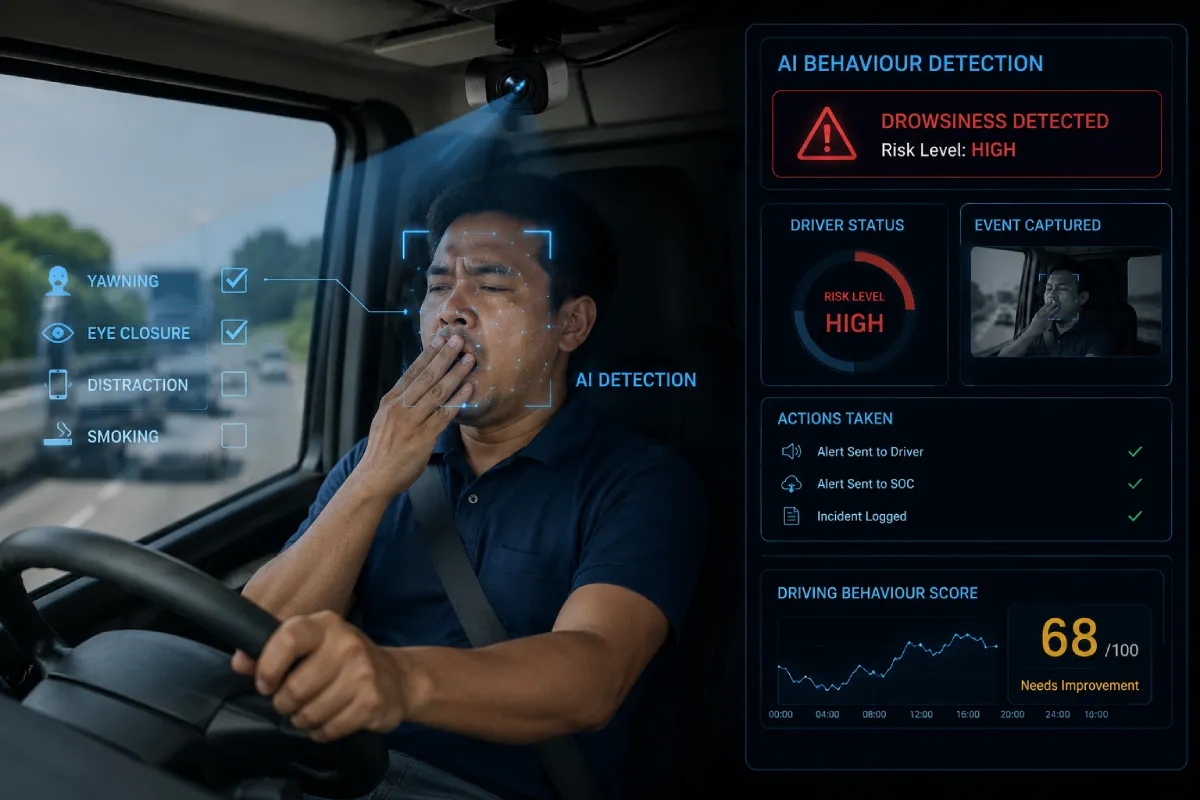
It was a normal route. No traffic incidents, no harsh braking, no speeding – nothing that would ever show up as a flagged event.
But somewhere along the way, the driver started to feel unwell.
Nothing about the vehicle changed. No impact, no sudden movement, no trigger for any system watching from the outside. And that’s exactly the problem – because from the vehicle’s perspective, nothing had gone wrong. From the driver’s perspective, something clearly had.
This is the gap most fleet safety conversations miss. Not every emergency is a crash. Sometimes it’s a driver who feels unwell mid-route, or finds themselves in a situation that needs help immediately – and waiting for someone else to notice isn’t good enough.
From detection to declaration
Most safety systems are built around a simple assumption: something has to go visibly wrong before help gets triggered. That works well for collisions, harsh braking, or sudden impact. It works far less well for everything else a driver might face.
A manual SOS function changes that assumption entirely:
- Wait for someone to notice → Decide to ask for help
- System-detected risk → Driver-declared emergency
- Passive monitoring → Direct line to a response team
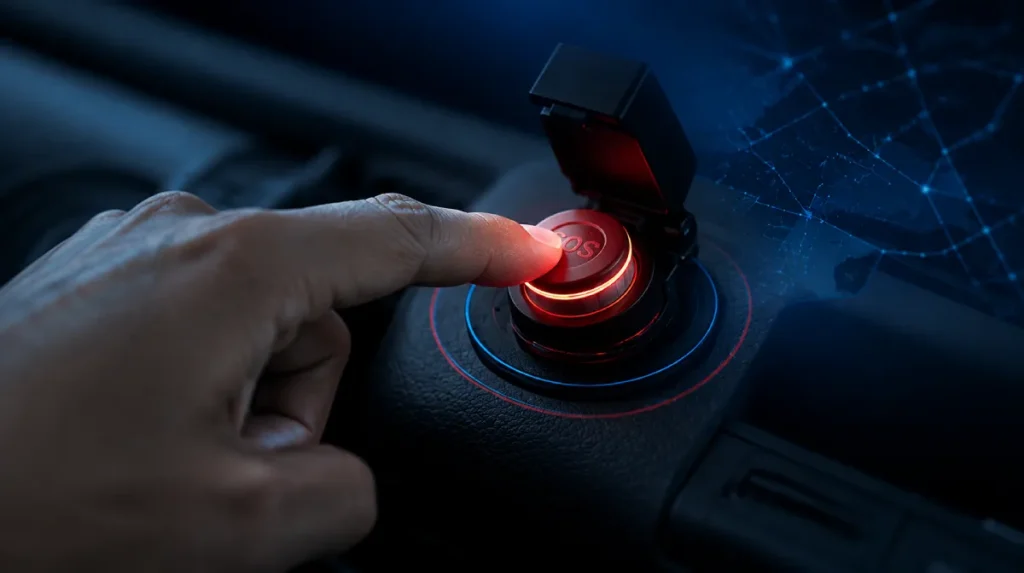
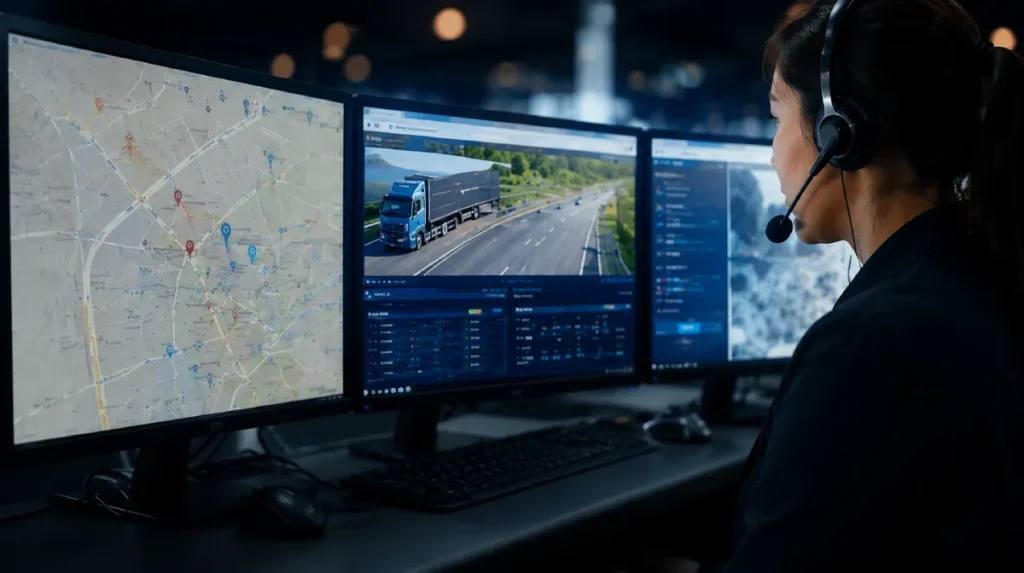
Instead of relying on the system to infer that something is wrong, a manual SOS puts that decision in the driver’s hands. Our SOS button allows you to connect to a 24/7 response team, who verify the situation and coordinate help to their exact location – no guesswork about where they are, no delay waiting for something else to flag it.
Why this matters for fleet operators
For fleet operators, safety infrastructure is usually built around what the vehicle does – speed, braking, impact. A manual SOS adds a layer that’s built around what the driver experiences instead.
It doesn’t replace monitoring systems. It fills the gap they were never designed to cover: the moments where the vehicle is fine, but the person driving it isn’t.
It’s not a complex feature, and it doesn’t need to be. Its value is in being simple, immediate, and always available – a direct line to help, the moment a driver decides they need it.
The choice fleets are facing
Rely only on systems built to detect what happens to a vehicle. Or give drivers a direct way to say something’s happening to them. That’s the real purpose of a manual SOS – not another layer of monitoring, but a layer of trust between the driver and the people responsible for their safety.
If this post resonates with you, re-post, leave a comment or drop a like. I look forward to hearing your thoughts.

About CSE Telematics
CSE Telematics is a Malaysian leader in connected vehicle technology, specialising in telematics solutions for fleet management, vehicle safety, and Usage-Based Insurance. With over 15 years of experience serving insurers, logistics companies, leasing providers, and car manufacturers, CSE Telematics offers real-time data platforms, driver behaviour scoring, remote diagnostics, and AI-powered crash detection.
From buses and haulage trucks to motorcycles and passenger fleets, CSE’s technology helps businesses operate safer, smarter, and more efficiently—while saving lives on the road.
Let’s Make Malaysia’s Roads Safer — Today
If you’re a fleet operator, school transportation provider, or logistics manager, don’t wait for another tragedy. Partner with CSE Telematics to install real-time monitoring and crash-prevention systems in your vehicles.